Eccentricity forcing of late Paleogene dust accumulation in the western USA across the Eocene-Oligocene Transition
Xiangwei Guo¹†, Majie Fan¹, Yiquan Ma² ³, Steven L. Forman⁴, Dennis O. Terry Jr.⁵, and Ran Feng⁶
¹ Department of Earth and Environmental Sciences, University of Texas at Arlington, Arlington, Texas, USA ² State Key Laboratory of Oil and Gas Reservoir Geology and Exploitation & Institute of Sedimentary Geology, Chengdu University of Technology, Chengdu, China ³ Key Laboratory of Deep-Time Geography and Environment Reconstruction and Applications, Ministry of Natural Resources, Chengdu University of Technology, Chengdu, China ⁴ Department of Geosciences, Baylor University, Waco, Texas, USA ⁵ Department of Earth and Environmental Science, Temple University, Philadelphia, Pennsylvania, USA ⁶ Department of Geosciences, College of Liberal Arts and Sciences, University of Connecticut, Storrs, Connecticut, USA

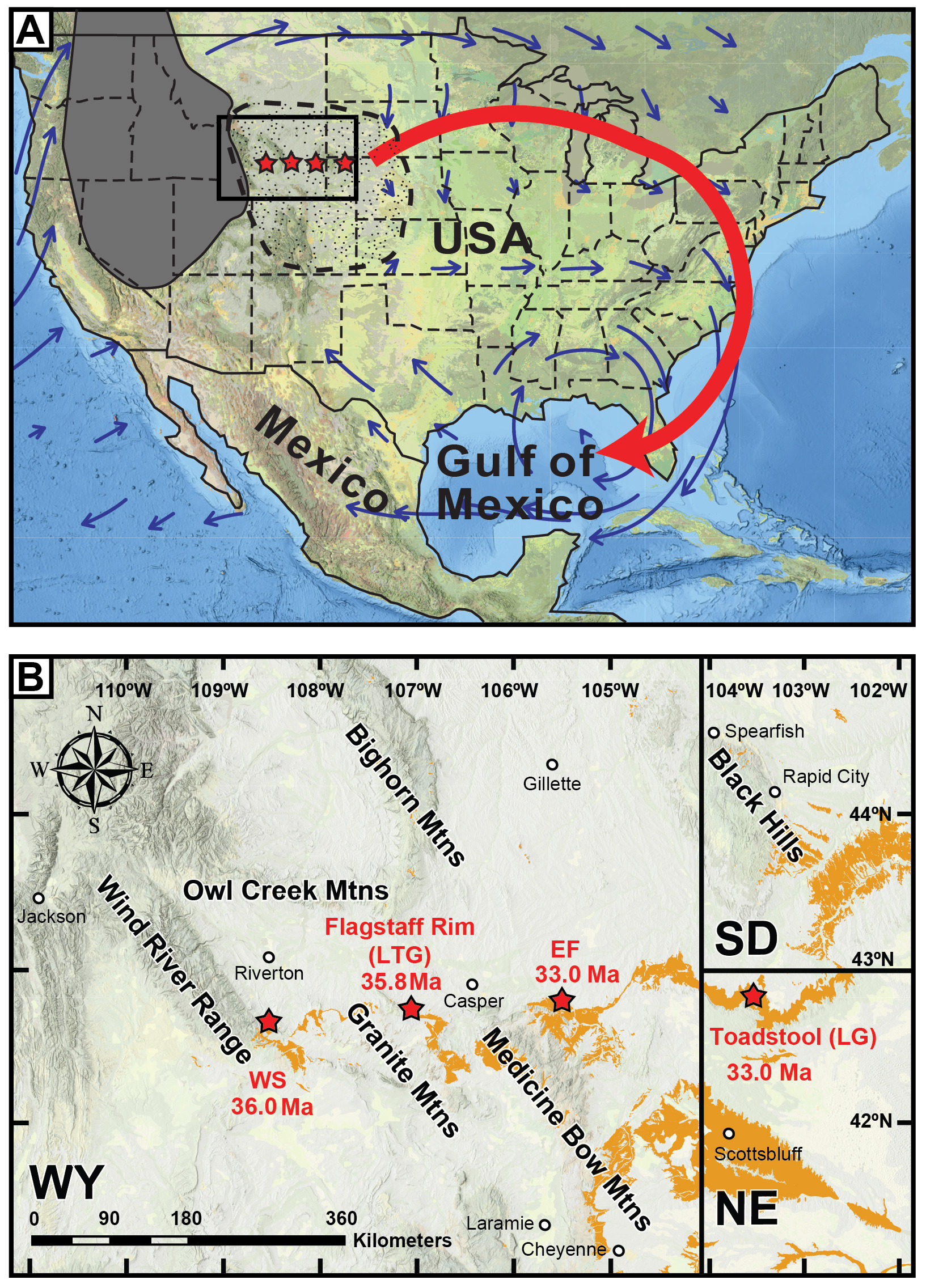
Figure 1


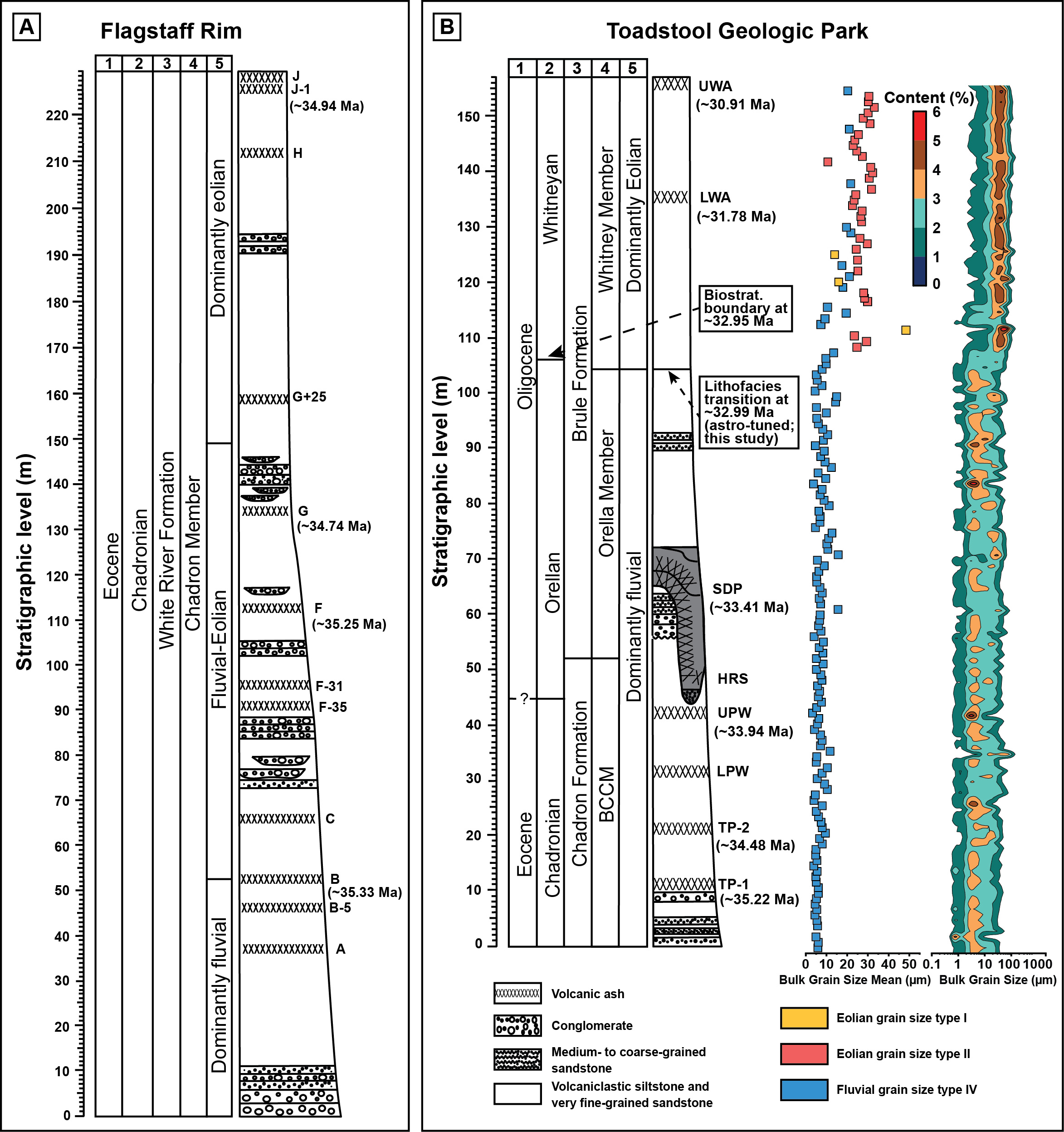
Figure 2
Lithostratigraphic and grain-size analyses constrain the loess-fluvial transition at Toadstool Geologic Park. An astronomically tuned timescale developed in this study updates the timing of loess onset in the Toadstool Geologic Park section and further evaluates the spatiotemporal pattern of loess initiation in the western United States.
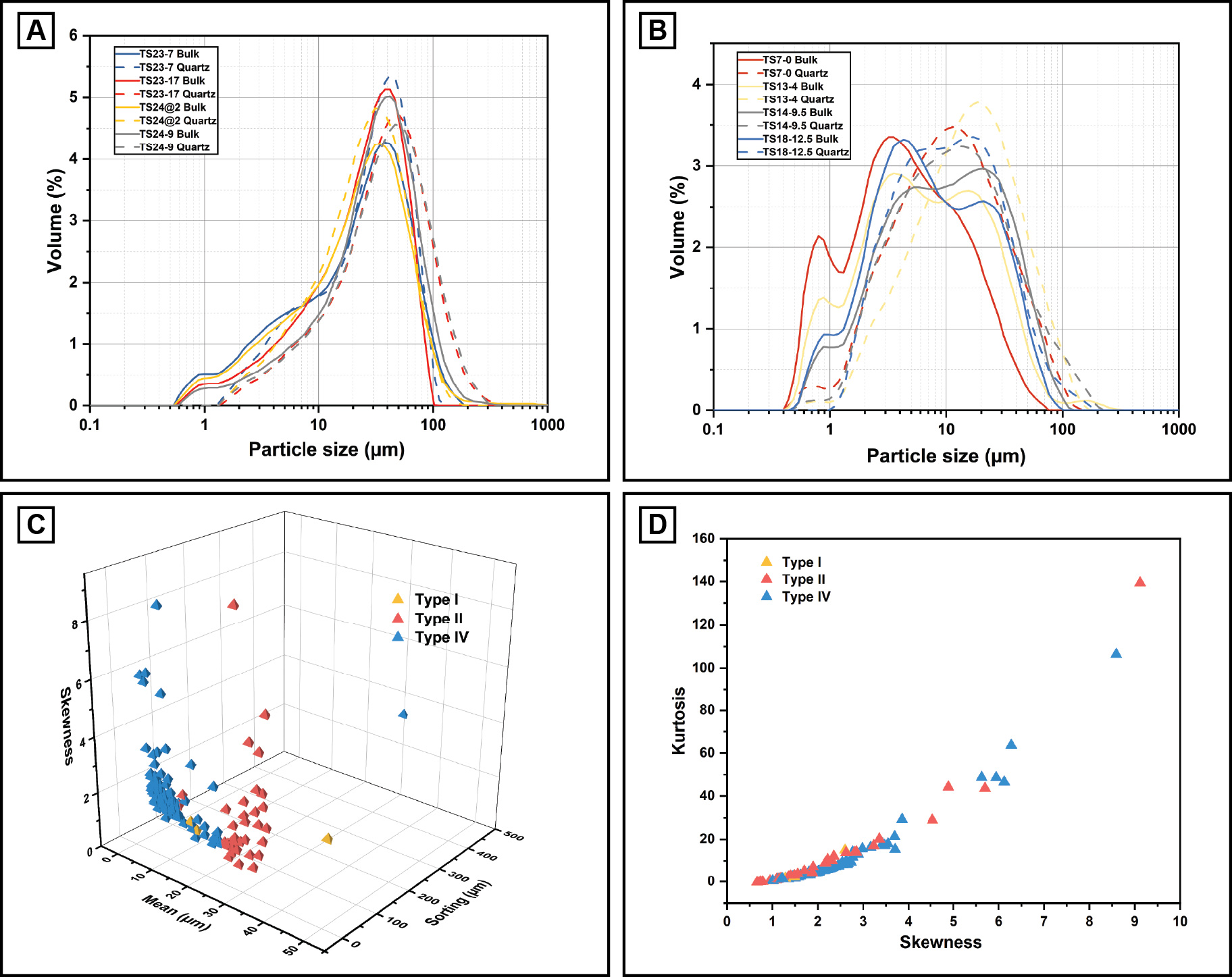
Figure 3
Grain-size distributions show that loess samples exhibit characteristic well-sorted bimodal distributions, and statistical analyses demonstrate that they are distinct from fluvial samples, supporting differentiation of depositional processes.


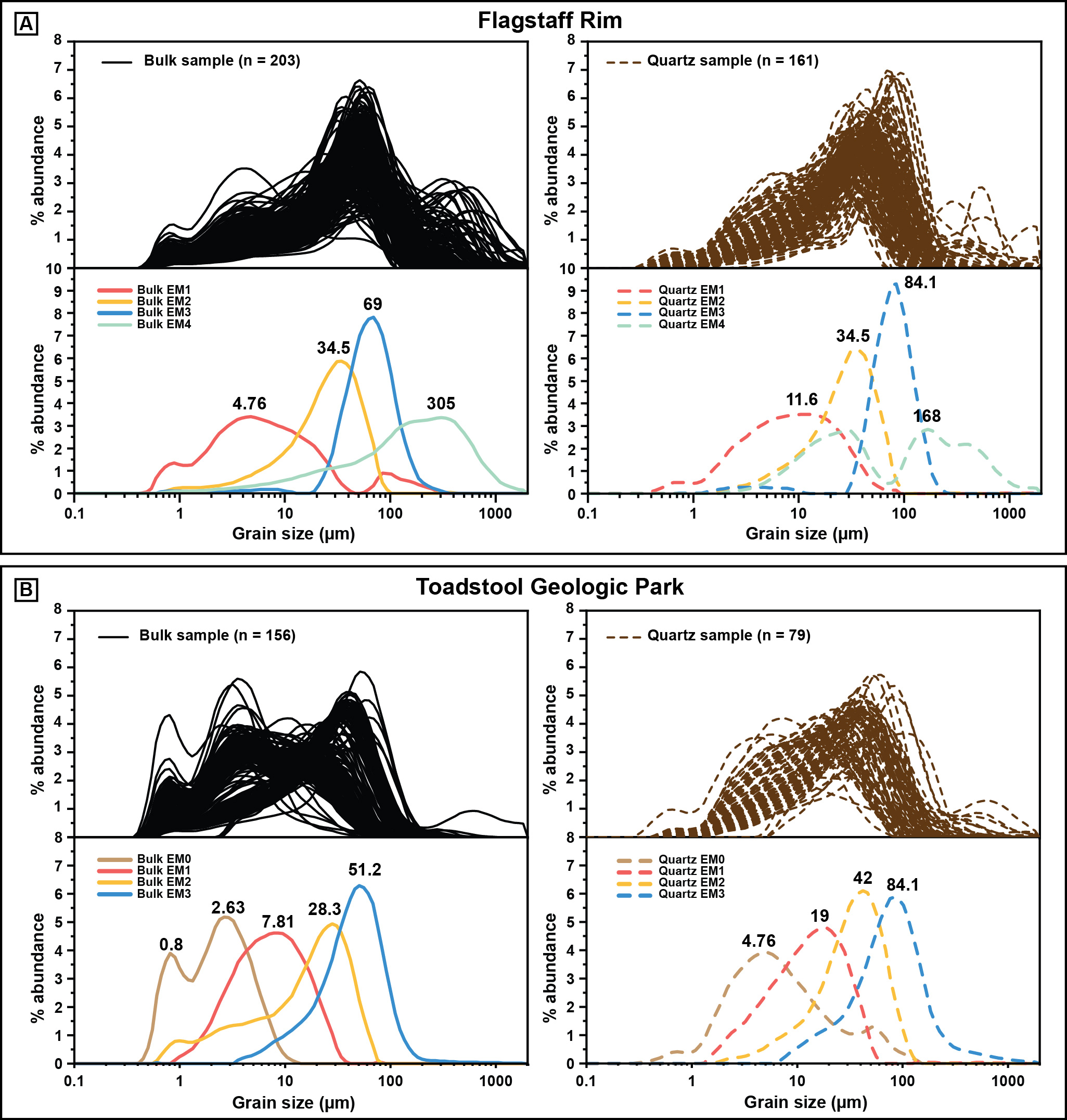
Figure 4
End-member modeling of bulk and quartz grain-size data from loess identifies distal suspension and local suspension–saltation components, enabling extraction of local suspension–saltation end members for calculating mass accumulation rates (MAR, or dust flux) and conducting spectral analyses while excluding pedogenically affected distal components.
Figure 5
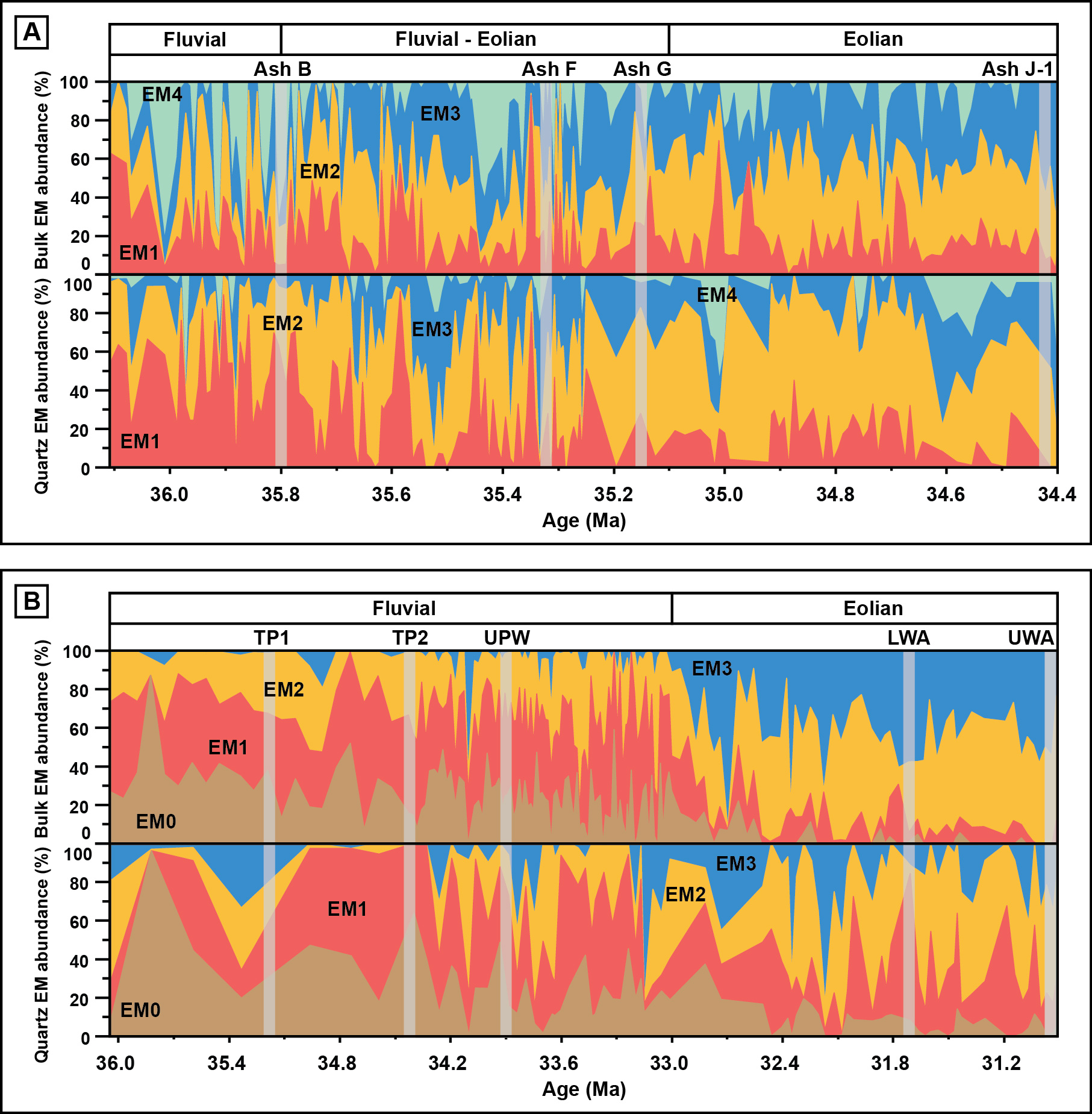
Temporal variations in end-member abundances recorded shifts among fluvial, transitional, and eolian environments at the Flagstaff Rim and Toadstool sections, while stratigraphic relationships and dated ash layers constrained the timing of these changes.


Figure 6
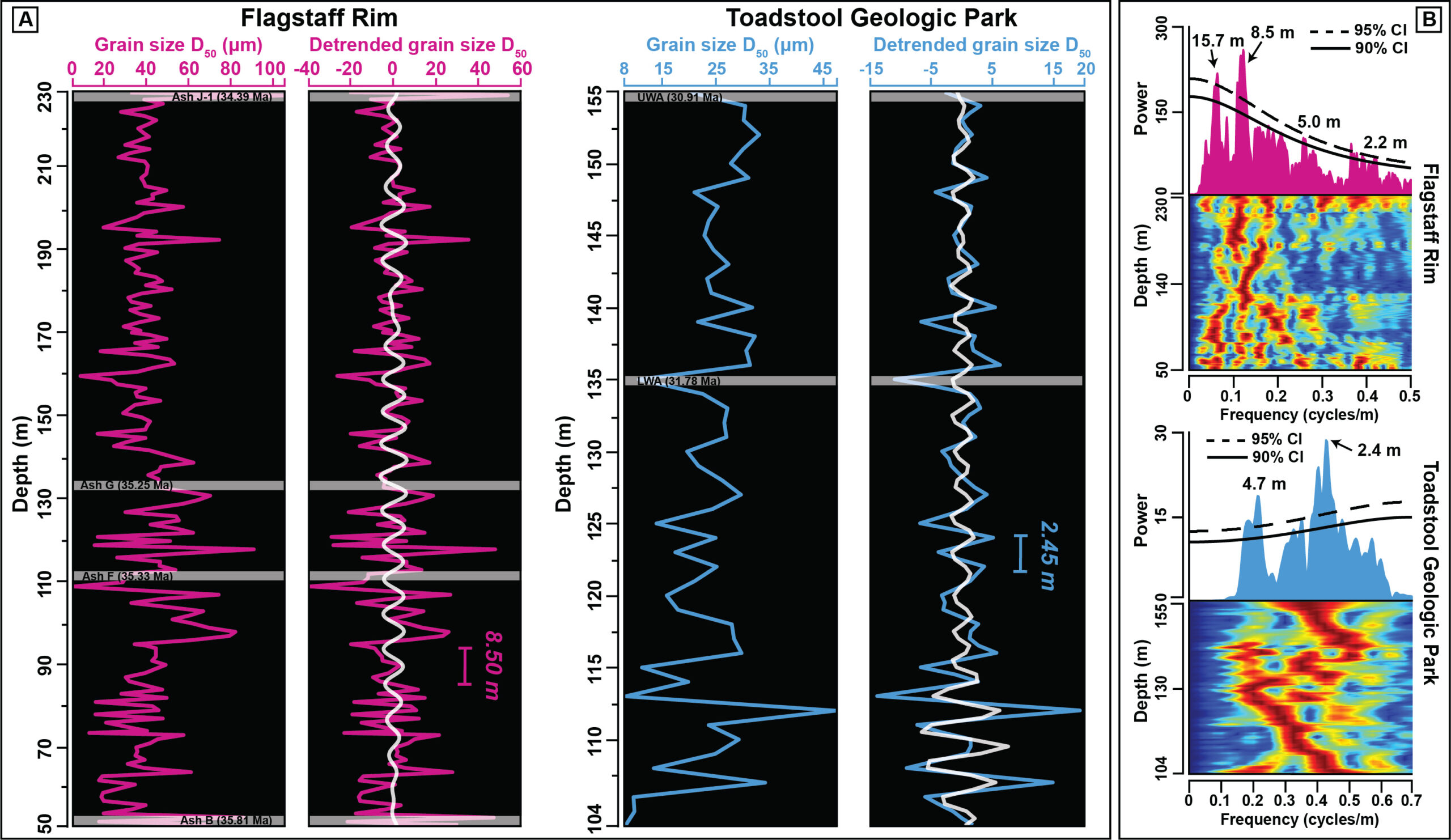
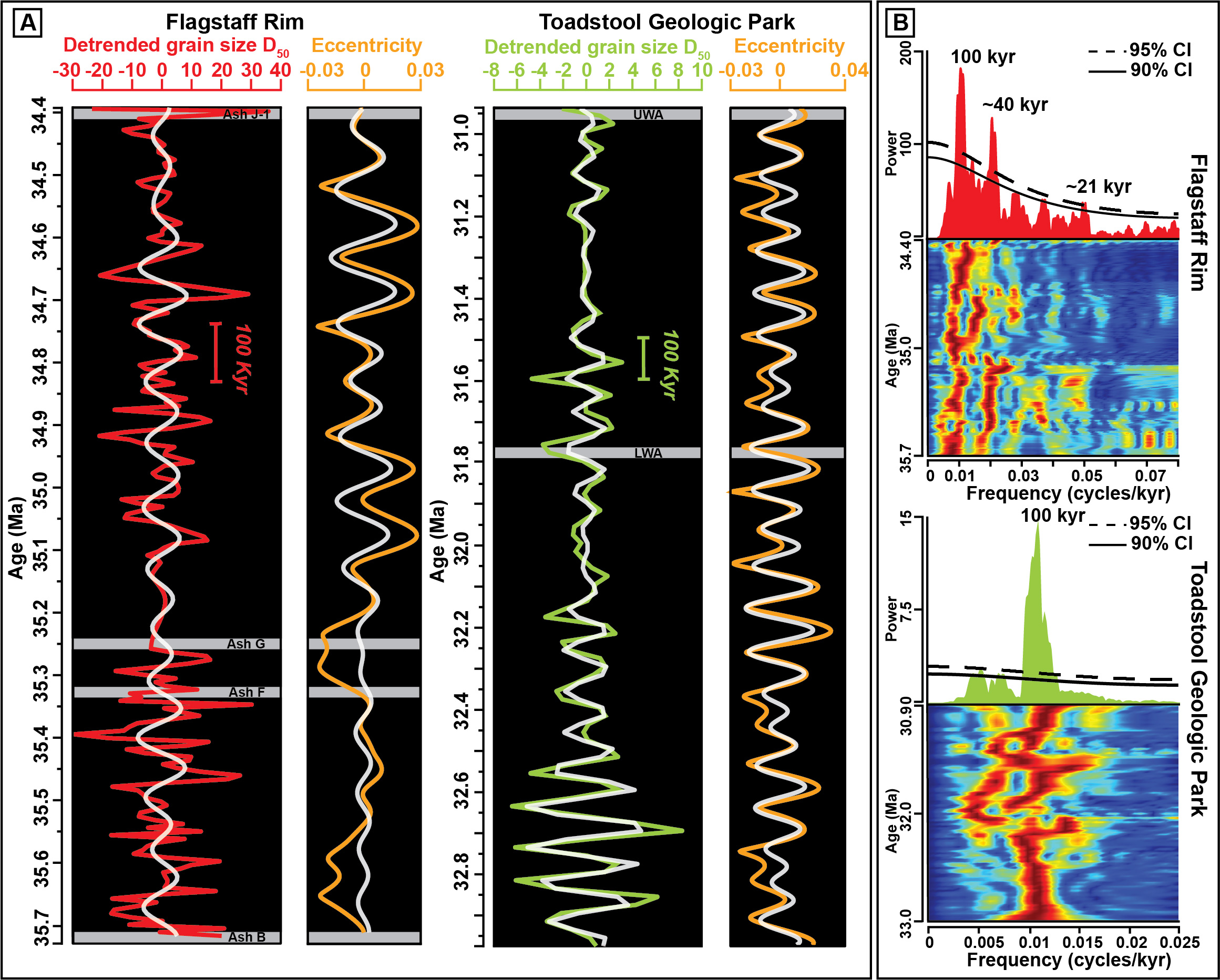
Cyclostratigraphic and spectral analyses show persistent ~100 kyr short-eccentricity cyclicity in grain-size D50 at both sites. Using published volcanic ash ages as chronological anchors (Sahy et al., 2015), cycle counting and astronomical tuning converted the records from depth to time and constrained the timing of loess initiation in the Toadstool section.
Figure 7


Figure 7
Figure 8
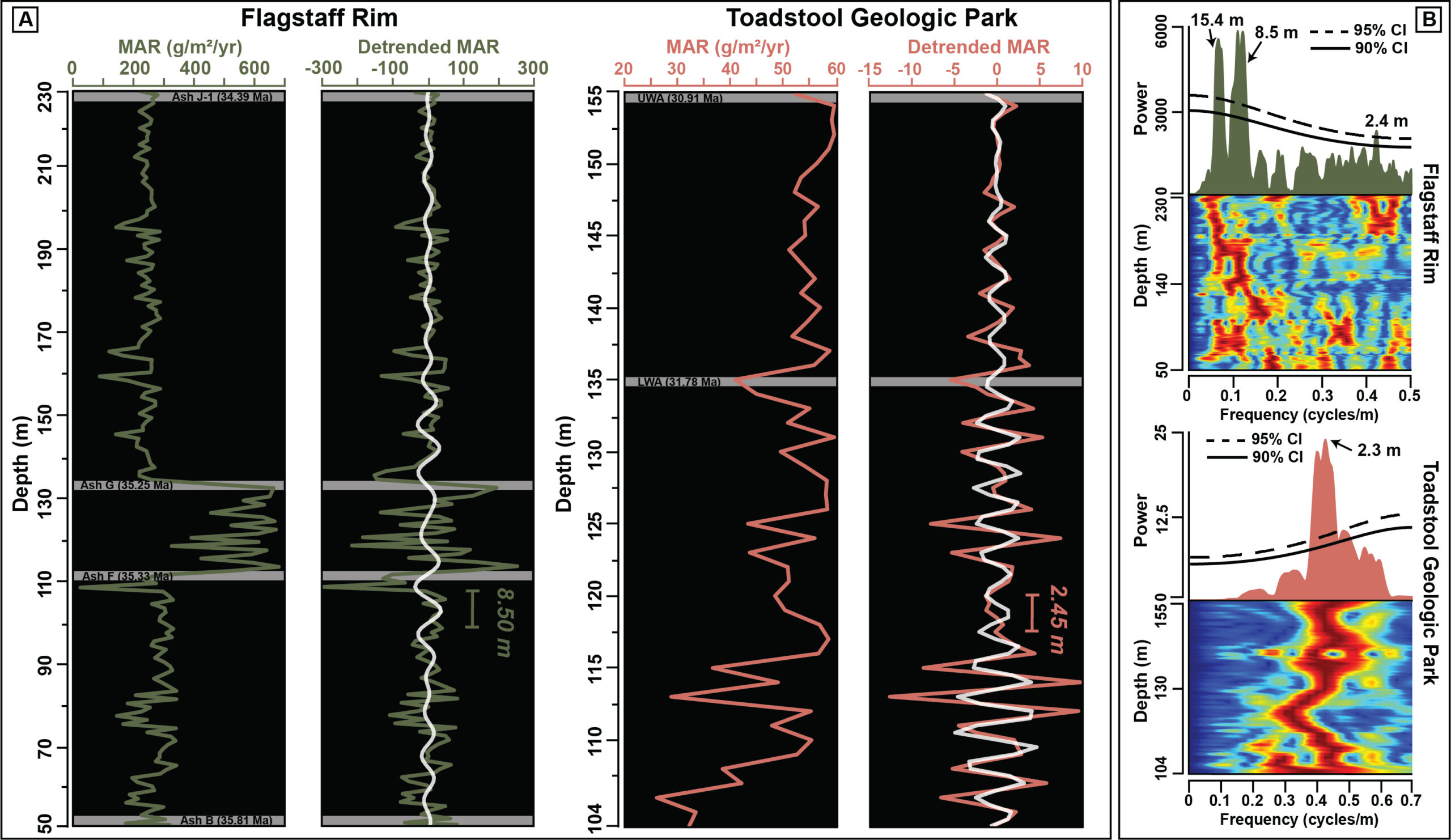
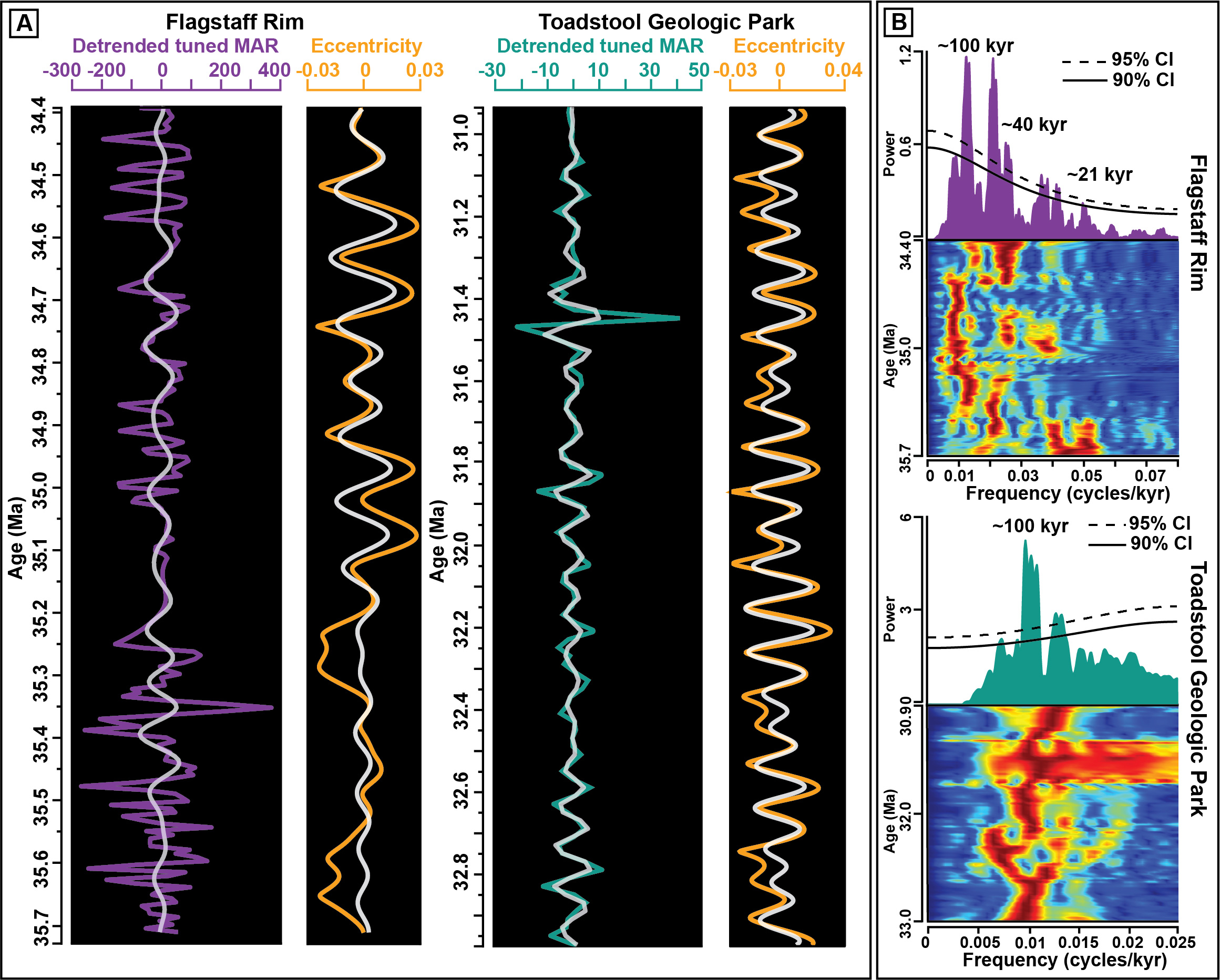
Spectral analyses of astronomically tuned, high-resolution MAR records show close tracking of ~100 kyr eccentricity cycles. Tuned MAR was calculated using SR derived from the grain-size D50-tuned age model. In the Flagstaff Rim section, the tuned MAR record also captures obliquity and precession cycles.